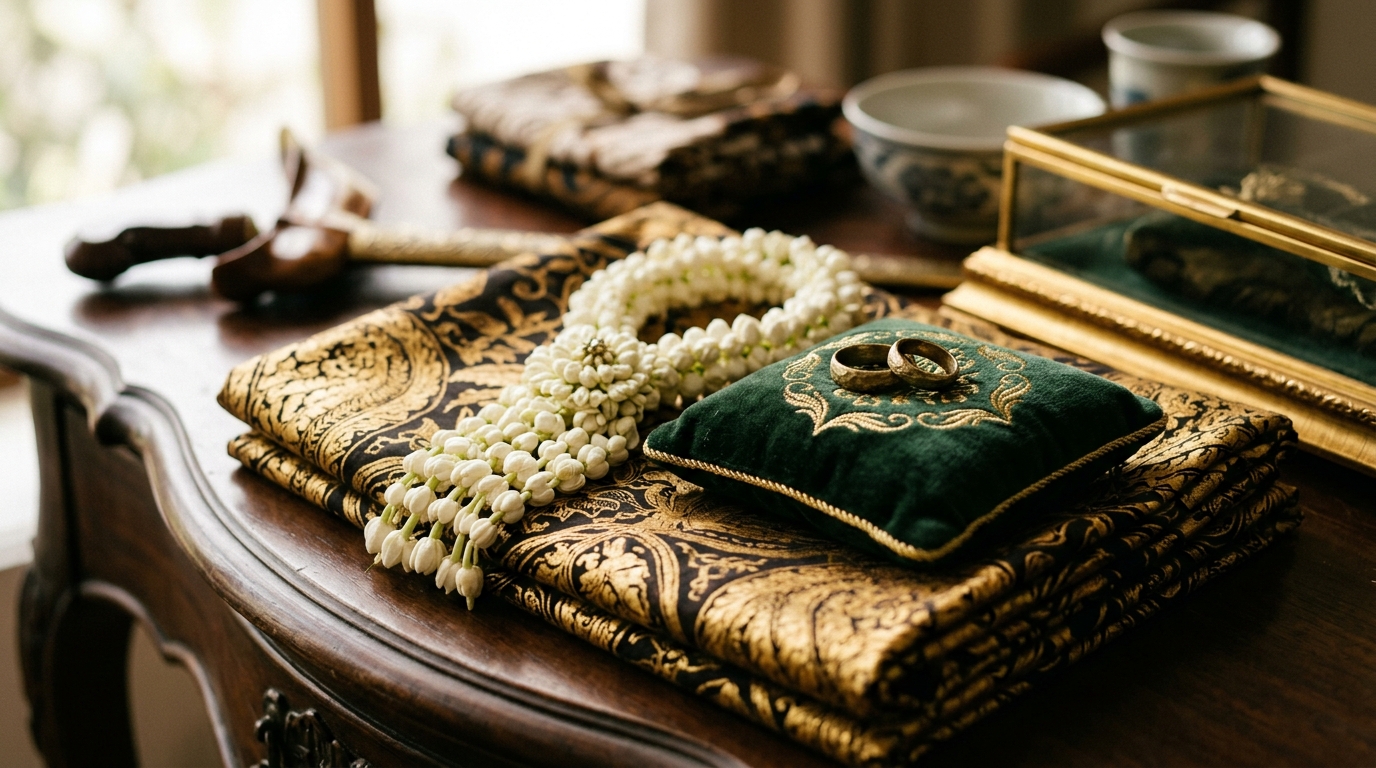
In Southeast Asian multicultural communities, engaged Muslim couples frequently encounter ancestral taboos passed down through generations. One of the most widespread inquiries posed to religious scholars is: "Are certain months forbidden or inauspicious for marriage in Islam, particularly the month of Muharram (locally known as Suro)?"
To bring clarity, tranquility, and sound understanding rooted in authentic Islamic jurisprudence, let us examine Islamic teachings on wedding timing, celebrated Sunnah months, and the historical origin of the Suro cultural taboo.
1. The Core Islamic Principle: Every Day and Month is Blessed
In Islamic theology (Aqidah), there is no such thing as an unlucky day, cursed month, or superstitious omen (tiyarah). Believing that specific calendar days inherently bring marital calamity contradicts the core tenet of Tawheed—that all decree, blessings, and protection reside solely with the Creator.
Prophet Muhammad (peace be upon him) stated in an authentic tradition narrated by Bukhari and Muslim:
"There is no contagion (except by the will of Allah), no evil omens (tiyarah), no bad luck in owls, and no inauspiciousness in the month of Safar."
Therefore, from a jurisprudential standpoint, solemnizing marriage is lawful, valid, and blessed in any month of the year.
2. Months with Cherished Historical & Sunnah Precedence
While all months are permissible, certain seasons carry celebrated historical significance:
A. The Month of Shawwal (The Sunnah of Marriage)
Shawwal is celebrated as a highly favored month for weddings. In pre-Islamic Arabia, ancient tribes held superstitious beliefs that marriages conducted in Shawwal would collapse.
The Prophet Muhammad (peace be upon him) decisively abolished this superstition by marrying Lady Aisha (may Allah be pleased with her) in the month of Shawwal and inaugurating their household together during this joyful season (Sahih Muslim).
B. Dhu al-Hijjah & The Sacred Months (*Al-Ashhur Al-Hurum*)
Belonging to the four sacred months where righteous deeds carry amplified rewards. In Indonesia, Dhu al-Hijjah (often known locally as Bulan Besar) is an enduring favorite for festive wedding banquets.
3. The True Historical Origin of the Suro (Muharram) Taboo
Why did traditional Javanese elders discourage marriage during the month of Suro?
Historical research demonstrates that this taboo originated from the royal governance of the Islamic Mataram Sultanate during the reign of Sultan Agung (1613–1645 CE):
- Focus on Royal Sacred Observances: During Suro, the Sultanate dedicated the entire month to spiritual reflection, palace weapon purification rituals, and state meditation.
- Preventing Event Competition: Citizens were instructed to avoid hosting large personal village festivals to maintain reverence for state ceremonies.
- Memorial Reflection: Muharram was historically associated with solemn remembrance rather than extravagant celebrations.
Thus, the reluctance to marry in Suro was a civic court custom of a historical era, not a divine prohibition in Islamic law.
4. Building a Blessed Union on Give Luve
A blessed and resilient marriage rests not on superstition, but on:
- Sincere intentions of worship and mutual commitment.
- The warm blessings of parents and extended families.
- Emotional, spiritual, and financial preparedness.
💡 Create an Elegant Islamic Wedding Invitation on Give Luve: Share your joyful news with Give Luve. Display Quranic scriptures (Surah Ar-Rum 21), provide ethical digital cash envelope transfers with 0% platform cuts, and receive heartfelt prayers from your guests!